Meth Lab Cleanup
Meth lab cleanup includes testing for residue, decontaminating the space and completing clearance steps.
See meth lab cleanupGet mold, moisture damage, cultivation debris, chemical residue and odor assessed after indoor marijuana growing in Silverton. Cleanup starts after the property is released and safe to enter.

Marijuana grow house cleanup remediates a property used for indoor cultivation. The work addresses excessive moisture, mold, lingering odor, fertilizer or pesticide residue, abandoned equipment and construction materials harmed by the operation.
An empty appearance does not mean a former grow house is clear of contamination. Residue can remain in wall cavities, below flooring or through air routes. Excess humidity may allow mold on framing, insulation and drywall. Leaks from irrigation can affect the floor and subfloor. Grow lights, fans and ducts can leave dust, openings and electrical modifications for a separate trade to evaluate.
Property release by the appropriate authority or law enforcement must come before cleanup if a seizure occurred. After entry is allowed, technicians outline affected areas and make records of visible conditions. Electrical, structural and plumbing repairs remain distinct from remediation. This is biohazard work only where inspection confirms needles, bodily fluids or another biological contaminant. Unknown chemical contents are neither mixed nor assumed. They must be identified and, where needed, sent through a fitting hazardous waste disposal channel.
Before work begins, ask what belongs in the cleaning process, what needs another trade and what conditions could change the scope. Ask the cleaning service to define these boundaries clearly.
The repair teams, building manager and insurance company can examine images, room notes and removal records to see what was done.
You participate in safe sorting of personal property, records and fixtures to make removal decisions based on who owns them and their condition.
Crews use unmarked vehicles and, where entry allows, can shield the work area from public view.
Ordinary housekeeping is not a safe correction for some conditions left by indoor cultivation. Those situations call for grow house cleaning services. Each one has a different scope, though the following examples occur often.
A warehouse or other commercial property needs cultivation materials removed and affected areas prepared for repair.
Unmarked containers, fuel, pesticides or fertilizers must be sorted carefully and sent through the correct waste route.
Visible growth or a musty smell now affects insulation, framing, carpet, ceilings or walls after leaks and humid conditions.
After release of the property, debris, growing gear and damaged materials are still present.
Start by protecting access to the property and confirming who has authority over it. An emergency response by police, fire crews or the utility company takes priority over cleanup. Before cleanup technicians enter:
Call (888) 440-9227Published guides do not list a separate range for grow-house cleanup. As a comparison only, general biohazard cleanup guides list $1,800 to $4,500 for a residential average range, $3,000 to $5,000 for a typical national range and $2,500 to $8,000 for many residential projects. These are not grow-house price ranges. Mold removal, chemical disposal, electrical repairs, testing and reconstruction can change the final scope.
These ranges come from published national cost guides, not from a site visit. The price for your property is set after the on-site assessment, and you hear it before work starts.
Ask about cost: (888) 440-9227Coverage can depend on who operated the grow, why the damage happened and which exclusions the policy contains. A coverage decision belongs only to the insurance company. Organizing photographs, invoices and the cleanup scope is what insurance assistance means here, rather than deciding the claim. Mold, damage by a tenant, illegal activity and moisture developing gradually should not be assumed covered.
The property owner commonly makes cleanup and access arrangements for a rental. Responsibility for the cost may depend on the lease, policy decision and any legal recovery from a tenant.
Tell the insurance company what you found, asking separately about water damage, mold, vandalism and contamination. Retain both the claim identifier and the insurer's policy response.
Keep release documents, room photos, the cleanup scope, disposal records and invoices. An insurance adjuster, lawyer or building manager may use these records to understand the cleanup.
Ask about covered causes, pre-cleanup inspection rules, adjuster documentation and separate policy limits for different repair categories.
The remediation process follows a controlled order, but the exact scope depends on what the inspection finds. You should receive an explanation of every step, records of changes and updates throughout the process. Mold work, chemical waste, electrical repair and building restoration may require separate specialists.
Without moving unidentified materials, technicians verify entry, inspect the building and record odor, mold, moisture, debris and surface damage.
Photos and room notes identify affected areas, items to keep, materials to remove and conditions that need an electrician, plumber or building contractor.
Barriers keep surrounding areas separate from each work zone. Site hazards determine air controls and protective equipment instead of a default arrangement.
Sorting covers growing materials including lamps, plastic sheeting, tubing and containers. Appropriate disposal channels are used for sharps, unidentified substances and waste subject to regulation.
The source of dampness is corrected first, followed by contained removal of moldy drywall, carpet, insulation or similarly uncleanable materials.
HEPA vacuuming and appropriate damp wiping are used on the hard surfaces that remain. Accessible air routes, cabinets, ledges and structural framing are cleared of dust and remaining residue.
Remove each odor source before treating the air. While affected items are being cleaned, HEPA air filtration and carbon media can help manage particles and odors.
A final check compares the cleaned area with the agreed work scope. Photos and removal records support the handoff to electrical, plumbing, HVAC and restoration services.
Phone any hour. A marijuana grow house cleanup specialist answers, explains the steps and agrees a start time with you.
The main health risks and property concerns in a former grow house are mold, moisture, unknown chemical residue, unsafe building changes and contaminated materials left behind. Serious health risks depend on the materials and conditions found, so keep people out until the property is assessed.
Contact with fertilizers or pesticides can irritate your eyes, lungs or skin. Never open, sniff, mix or drain a container without a label because its contents may be something different.
In warm rooms with damp conditions, mold can grow inside concealed cavities and across porous materials. Moisture must be stopped first, since the EPA says mold may begin on wet materials within 24 to 48 hours.
Needles, chemical containers, glass, cutting blades or broken lamps can be buried beneath discarded material. Careful sorting paired with protective gear limits contact and puncture hazards.
Can you clean it yourself? After the site is released, ordinary debris can include empty, intact equipment and limited dry planting soil. If you find standing water, mold, damaged wiring, unknown substances, sharp items or widespread porous-surface residue, stop and call for professional cleanup.
No single timeline is reliable for every property. Dry debris confined to a limited room requires less time than widespread mold, altered utilities, unknown chemicals and building materials requiring removal.
| Scene | Typical time on site |
|---|---|
| Limited debris and surface residue | Timing follows the site assessment and agreed scope |
| Mold and moisture spanning several spaces | Scheduling depends upon material removal, controlled drying and containment |
| Chemicals, damaged utilities or reconstruction | Testing, separate trades or official clearance can add time |
Source removal comes first for grow house odor. That means removing plants, chemical residue, wet soil, moldy materials and anything else producing odor. Fragrance cannot resolve remaining moisture, affected materials or residue embedded in porous finishes.
After source removal, remaining surfaces and accessible air pathways are cleaned. HEPA filtration captures fine particles, while activated carbon can reduce lingering odors. HVAC equipment and duct materials should be inspected before operation when they served the grow rooms. Odor treatment cannot replace mold remediation or repairs to wet materials.
The appropriate authority must confirm release before anyone changes a property involved in an investigation. Official sealing materials and evidence need to stay untouched.
Do not remove fertilizers or pesticides from containers bearing their labels. State and local rules may require an approved disposal route for hazardous materials or unidentified substances.
Wet materials can develop mold within 24 to 48 hours, the EPA says. Cosmetic work follows moisture control and the removal of affected building materials.
Alterations to structure, wiring, plumbing or ventilation could require permits or inspection. Ask local building officials which requirements govern the work before utilities are restored or walls are closed.
The full marijuana grow house cleanup guide covers what is cleaned or removed, odor and air quality work, and the rules that apply in your state.
Read the full marijuana grow house cleanup guide
Local housing, population and access details can shape containment, access and cleanup planning.
With renters in 58.6% of local homes, documenting affected rooms can help tenants and owners understand which materials need removal.
Because the median home dates to 1959, cleanup planning should account for older finishes that may not tolerate heavy moisture.
With 65.6% of seniors living alone, an unattended illness or death may go unnoticed, increasing the area affected by fluids and odor.
Housing at 49.9% single-family occupancy calls for flexible cleanup planning rather than assumptions based on one building type.
You can ask about cleanup in nearby communities and ZIP codes during the call.
Meth lab cleanup includes testing for residue, decontaminating the space and completing clearance steps.
See meth lab cleanup
Hazmat cleanup uses the appropriate protective equipment for hazardous materials.
See hazmat cleanup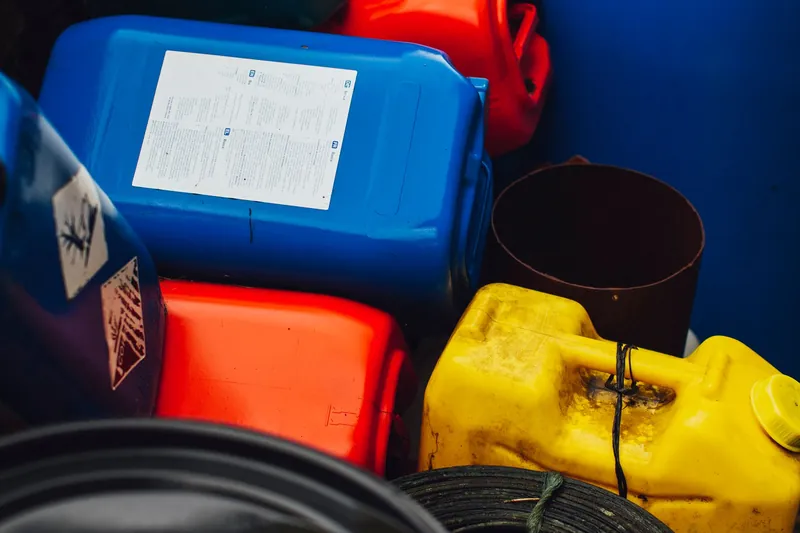
Toxic and chemical waste cleanup includes safe disposal.
See chemical and toxic waste cleanup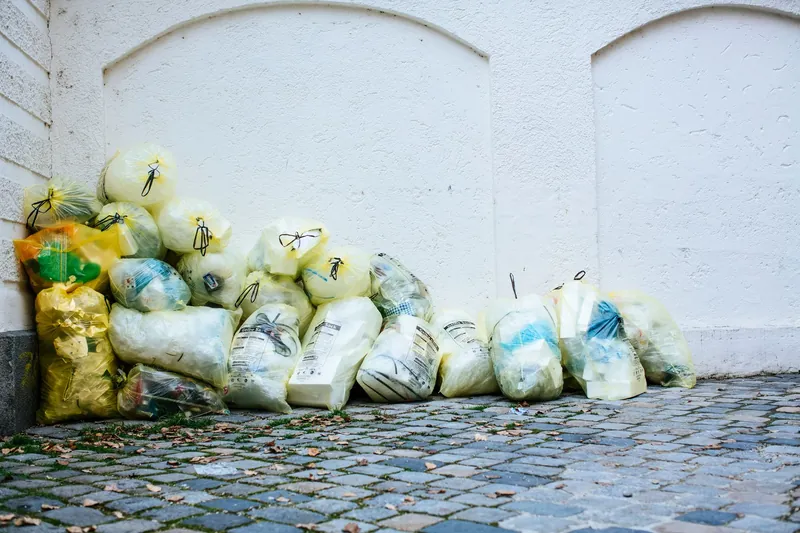
Rental spaces and properties are cleared of needles, pipes and residue from drugs.
See drug paraphernalia cleanup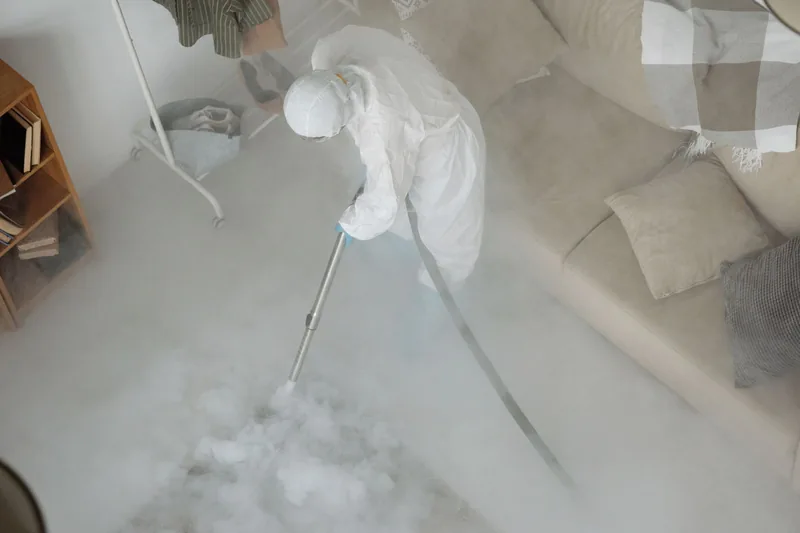
Full decontamination of rooms, surfaces and air after infectious or hazardous exposure.
See biohazard decontamination
Fentanyl decontamination of surfaces, vehicles and rooms after exposure.
See fentanyl decontamination
Commercial and industrial biohazard cleanup planned around site access and operating needs.
See commercial and industrial biohazard cleanup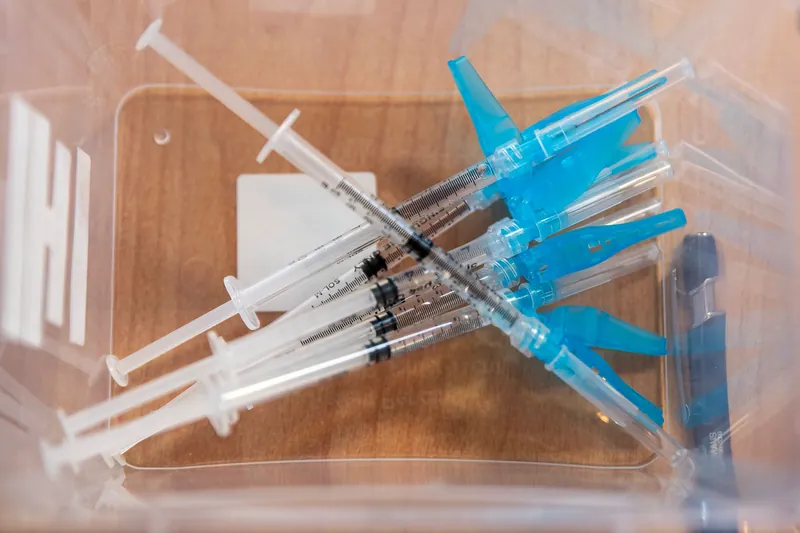
Needle and sharps cleanup for yards, rentals, parks and encampments.
See needle and sharps cleanupThe cause and policy control the decision, including possible exclusions for tenant actions, gradual damage, mold and unlawful activity. Tell the insurer what happened and request a decision in the claim record. Save release documents, work scopes, invoices and photographs for the adjuster.
Ownership, legal release and condition guide the decision. The owner may choose to retain or dispose of ordinary growing gear. Applicable waste rules and material type determine routing after separating fertilizers, pesticides, sharps, broken lamps and containers with unknown contents.
Odor removal begins with plants, wet soil, residue and affected porous materials. Next, clean remaining surfaces and reachable air pathways. HEPA filtration can capture particles, and activated carbon can reduce lingering odor. Source removal, moisture control and mold work cannot be replaced by fragrance.
Once the property is released, you may manage ordinary dry waste if no hazards exist. Professional cleanup is appropriate when there is mold, water damage, unknown chemicals, sharp objects, altered electrical work or residue across several surfaces. Additional work may require an electrician or another relevant trade.
Do not let people enter, operate lights or fans, or open a container with unknown contents. Police involvement means you must wait for official release of the property. Notify the property owner and insurance company, then arrange a safety assessment before moving equipment or beginning cleanup.
Published guides do not list a separate grow-house cleanup range. General biohazard cleanup benchmarks run from $1,800 to $4,500 for a residential average range and $2,500 to $8,000 for many residential projects. Those figures are comparisons only, not a grow-house quote.
You can request respectful, discreet marijuana grow house cleanup 24 hours a day, and crews use unmarked vehicles.